“WHAT’S IN YOUR POCKET?”

“WHAT’S IN YOUR POCKET?”

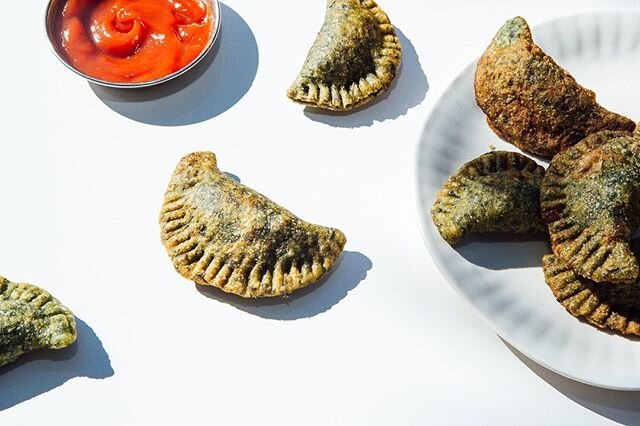
It wasn’t until a few years ago that I truly came to appreciate turcos, the tiny turnovers my grandma labors over every holiday season stuffed with thrice-cooked pork, raisins, and nuts. As cinnamon and anise waft through that sweltering South Texas kitchen, my mom, her sisters and cousins still try to sneak a fresh turc (as they lovingly call these pockets) straight off the sheet pan. “Only eat the ugly ones!” my grandma always yells. See, she stashes all of her perfectly roped empanadas for the big parties, a far cry from how they were originally eaten.

Eddie Mao is a true dumpling aficionado, and no stranger to the tastiest dumplings in New York City. His love for pocket foods is somehow still greater than the copious amount of dumplings we ate with on our dumpling crawl through Flushing. He is committed to researching the many varieties of the dumplings, baos and all of their cousins in both China and in his home neighborhood of Flushing.

By Ellen Gray
When I was in 6th grade, my grandmother, lured by the tropical climate and a gaggle of widowed friends, moved to Florida. For a number of summers, I joined Mama Min in her high-rise Hollywood apartment, traveling via Eastern Airlines to the land of palm trees and coconut patties.
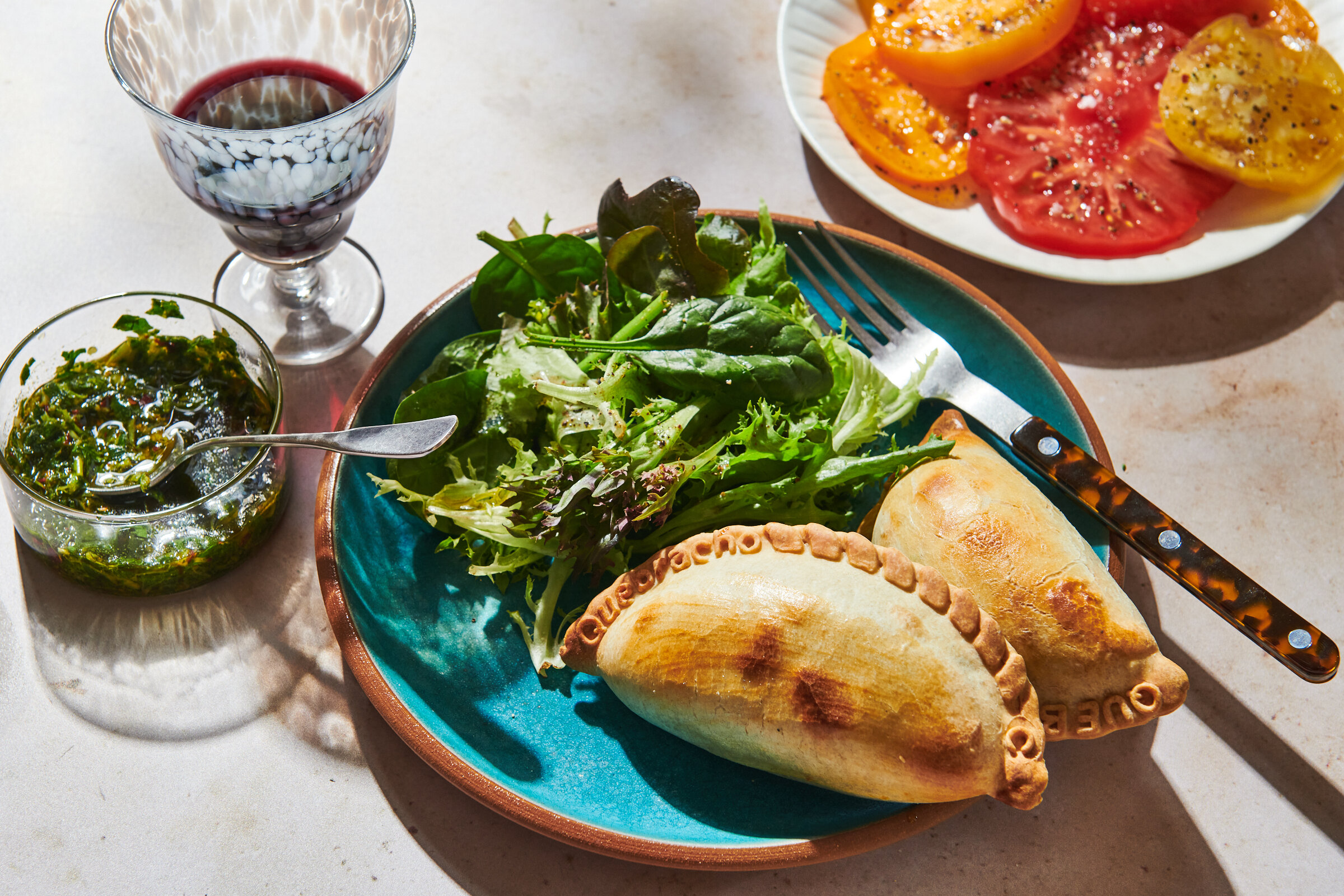
The Argentinian-born founder of St. Paul, Minnesota-based Quebracho Empanadas serves up a smattering of meal and snack ideas.
Today, Belén is the founder of Quebracho Empanadas, a St. Paul, Minnesota-based Argentinian empanada brand. When she first founded the company in 2018, she sold empanadas, other savory pies, and charcuterie at local farmers’ markets and pop-up shops. But when the Covid-19 pandemic hit in 2020, she quickly pivoted her business to focus on selling wholesale, frozen empanadas through grocery stores and co-ops—a step that anyone in the consumer packaged goods industry will tell you is far from easy, pandemic or not. But for Belén, working the food industry runs in her blood.
In Astoria, a historically Greek neighborhood of Queens where baklava are as common as bagels, Cafe Boulis stands out. Panagiotis “Pek” Peikidis bought the cafe in 2016, but he’s quick to say it really belongs to his mother, Lemona Peikidou. Every morning, Peikidou walks the ten blocks from her home to Cafe Boulis at 4:30. She pulls spanakopita, tiropita (phyllo dough stuffed with cheese), and other pastries prepared the previous day from the fridge and starts her first bake.
Last July, I started deleting my instagram account daily. I’d download it in the morning and set a timer for 15 minutes before checking in, post a picture if I had one to share, respond to DMs and comments, comment on posts in my feed, and then delete the app until the evening, when I’d do the same thing all over again.
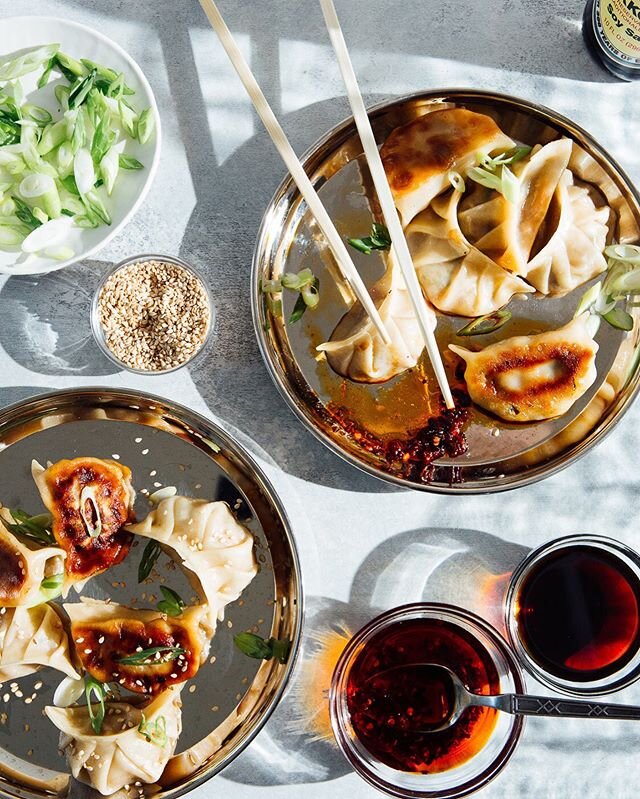
Where to get the best Chinese dumplings in Austin? The Farmer’s market! Cindy Chee and Leslie Chau are serving up handmade dumplings stuffed with organic, locally sourced vegetables and sustainable meat.
Pupuseria 503 y Mas is located on the corner of Justin and Lamar in Brentwood, Austin. Doris and Victor Monterroso are lovingly serving up some of the best pupusas in Austin.
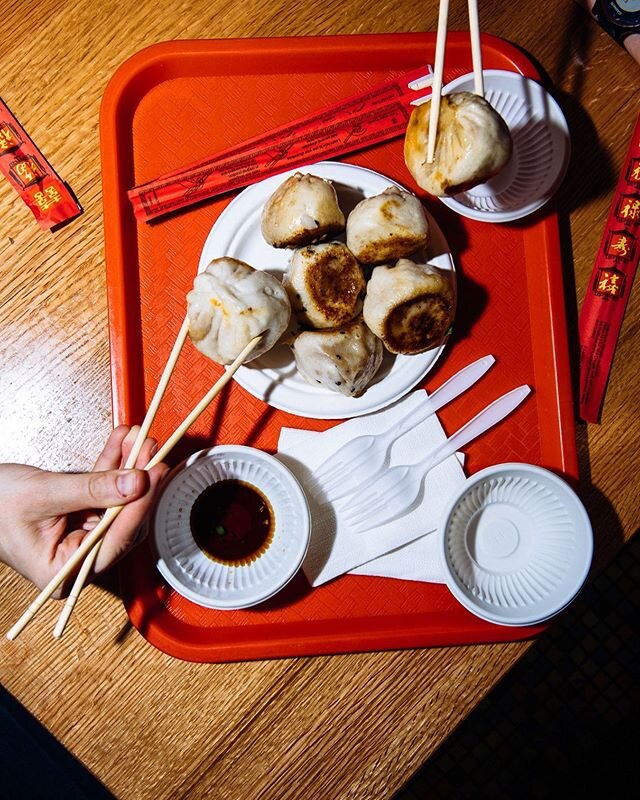
We hopped (eventually waddled) around downtown Flushing, Queens on a sunny April day, traveling all over China through the dumplings we ate. Eddie Mao’s walking dumpling crawl is perfect for a Saturday adventure or a day trip on a long weekend. In about 5 hours, we hit 10 dumpling shops, and even stopped for a fruit tea refresher.
We are still figuring out where to set our sights for all of 2019, but we know we’ll be spending some time learning more about the pocket foods from China and Mexico, and the people from there who are making them here in America.
2018 marked our second year here on the internet. Whew! We took an exciting new direction last year, with a deeper commitment to looking at food history and culture through the lens of a pocket. Our mission at The World in a Pocket is to better understand the world through the lens of a dumpling (err, any pocket food!). Last April we met in Durham, N.C. to revisit our mission and keep us on track. It’s always a good idea--even (especially!) with passion projects--to check on your goals.
Our love for pupusas led us on a search to understand why so many people from El Salvador are coming to America. The timeline below takes us from artifacts found in Joya de Ceren, “El Salvador’s Pompeii”, a native village buried by ashes from a volcano eruption, where food and utensils were found as they were being cooked almost 2000 years ago, to present day.
In 2015, Cecilia Polanco wanted to start a scholarship fund for undocumented students, but needed a sustainable way to monetize the fund. She founded So Good Pupusas to raise money and use the revenue to support her non-profit, Pupusas for Education, which provides the scholarships.
When I was in 6th grade, my grandmother, lured by the tropical climate and a gaggle of widowed friends, moved to Florida. For a number of summers, I joined Mama Min in her high-rise Hollywood apartment, traveling via Eastern Airlines to the land of palm trees and coconut patties. Her kitchen was compact, with just enough room for a slim café table and two chairs. We spent many afternoons sitting out on the shaded balcony, avoiding the blazing sun. The sound of the ocean in the distance was punctuated by the click-click of my grandmother’s knitting needles. It was during these warm weather holidays that I learned the joy of casual dinners and the beauty of the blintz.
The meat pie is thought to have been introduced during the British occupation of Belize, then known as British Honduras. Over time, the meat pie took on more idealistic Belizean flavors of recado and black pepper--and spicier versions include a fermented habanero-based hot sauce like Marie Sharp’s.

The World In A Pocket is devoted to exploring the world through the lens of a dumpling. From mandu to empanadas, spanakopita to gyoza, pierogis to pop tarts, this is our love letter to pockets worldwide and the stories they tell.

#theworldinapocket #pocketfoods